

 Bahasa
 日本語
日本語
 한국어
한국어
 ไทย
ไทย
 tiếng Việt
 中文
中文
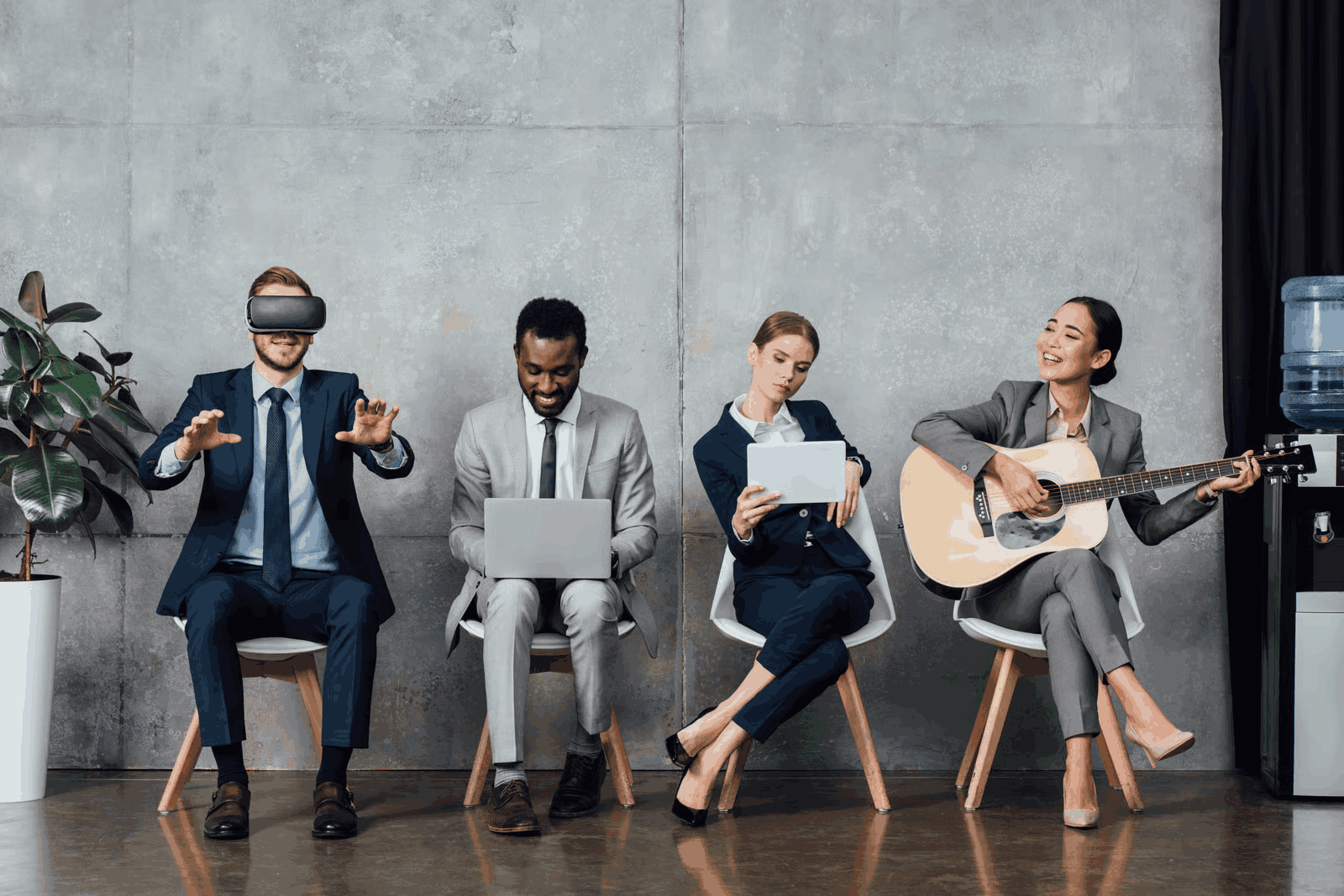
Looking Ahead: What the Future of the Professional Workplace Looks Like
The workplace has evolved dramatically over the past decade, and the pace of change continues to accelerate. Businesses today are rethinking how offices should function, balancing flexibility, technology, collaboration, and employee experience.
CEO SUITE has seen these changes unfold across Asia, where companies increasingly prioritize adaptable environments that support modern ways of working.
The Shift Toward Flexibility
Long-term office commitments are becoming less attractive in an unpredictable business environment.
Modern companies now prioritize:
- scalability
- shorter commitments
- operational agility
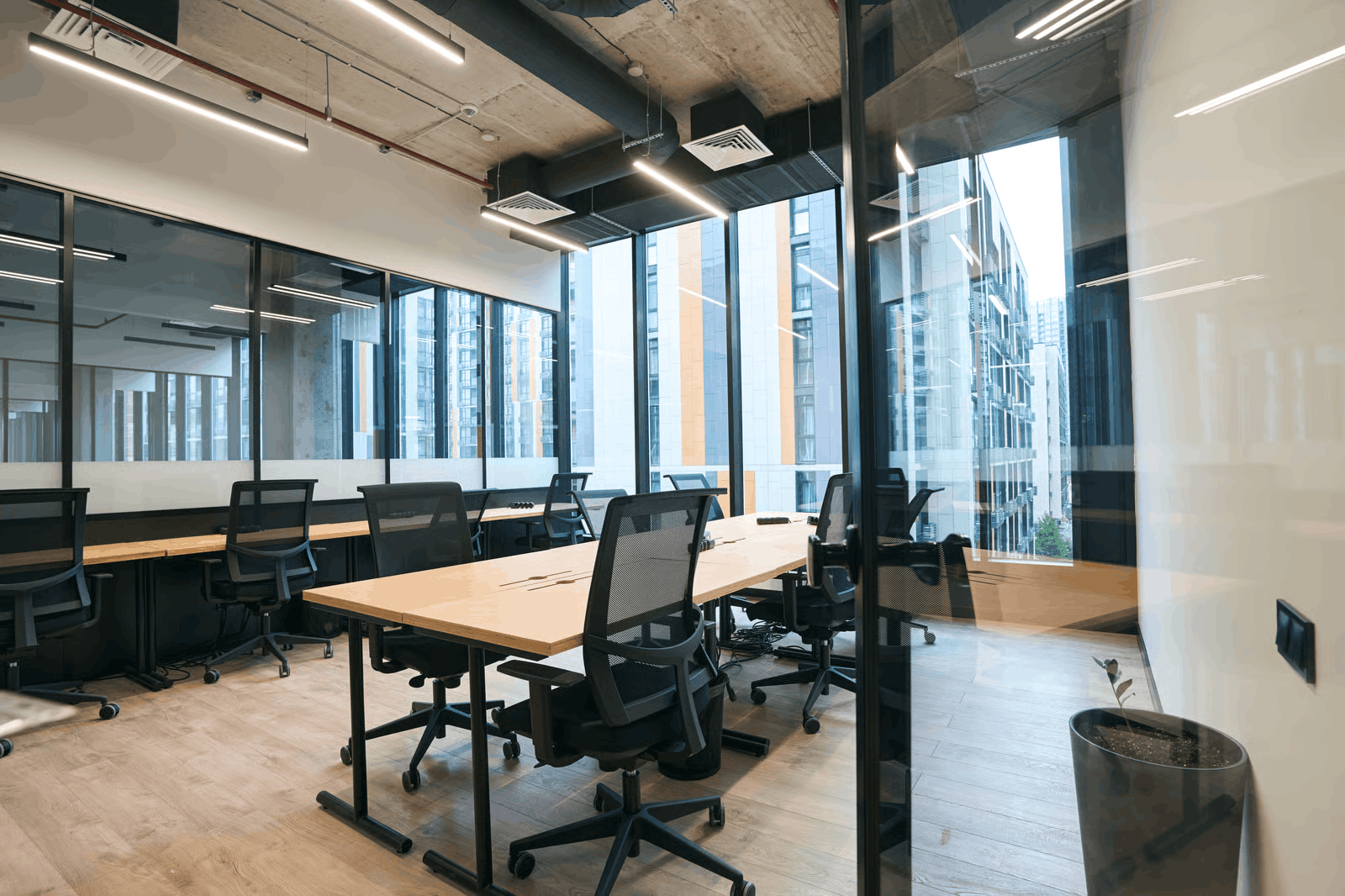
This shift has increased demand for a flexible workspace that can adapt quickly as businesses evolve.
Hybrid Work Is Here to Stay
The future workplace is no longer fully office-based or fully remote. Instead, hybrid work models are becoming the standard.
Businesses now need environments that support:
- remote collaboration
- in-person meetings
- flexible schedules
- distributed teams
This requires offices that are both functional and adaptable.
Technology Will Define Workplace Efficiency
Technology is becoming central to workplace operations.
Modern offices increasingly rely on:
- smart access systems
- cloud collaboration tools
- AI-powered workspace management
- secure digital infrastructure
A professionally managed serviced office allows businesses to access this infrastructure without building it independently.
Experience Matters More Than Space Alone
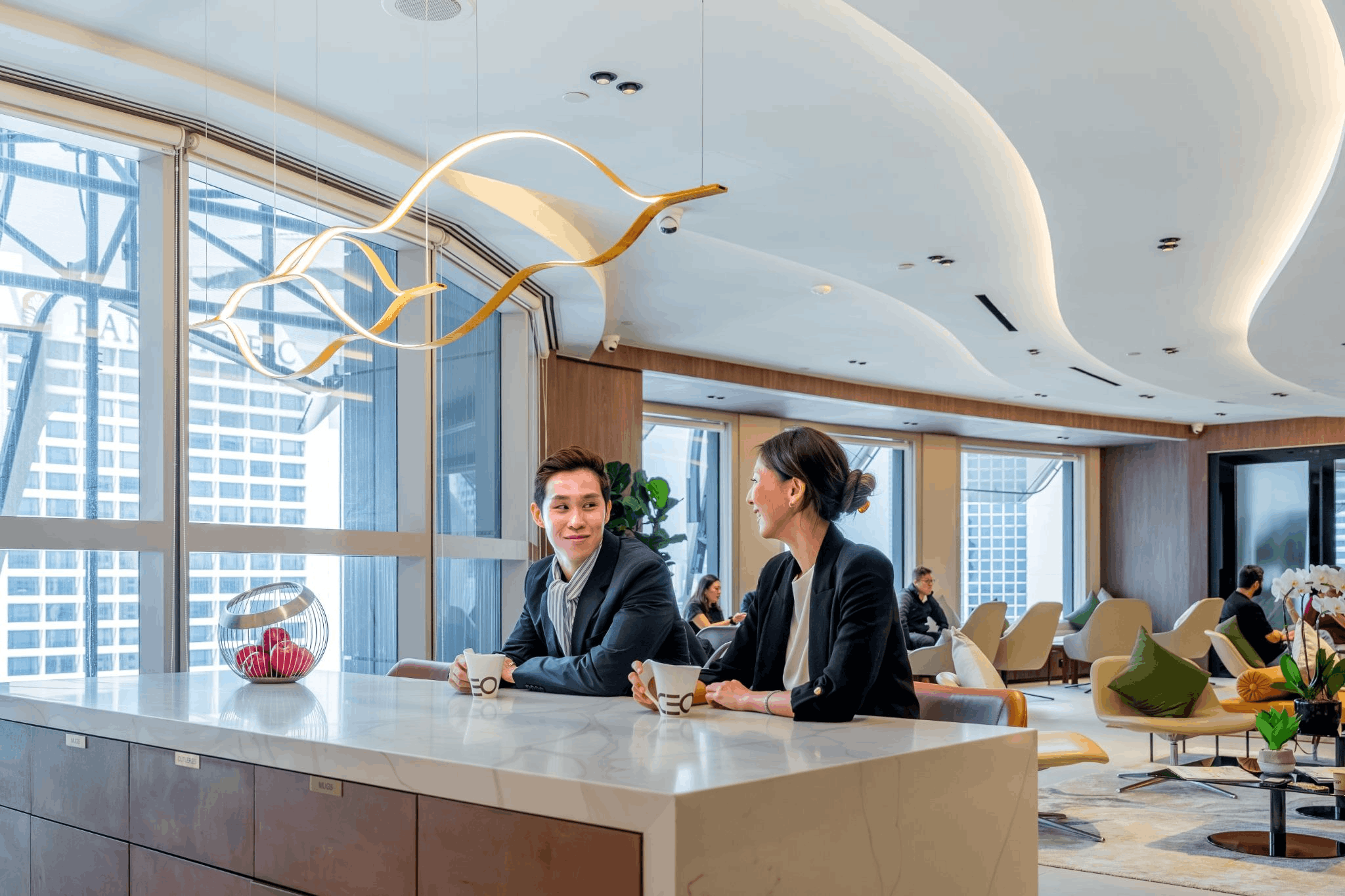
The future workplace is about more than desks and square footage. Employee experience now plays a major role in productivity and retention.
Businesses are focusing on:
- natural light and wellness
- collaborative spaces
- comfortable environments
- hospitality-level service
Workspaces are evolving into environments that support both performance and well-being.
Offices as Collaboration Hubs
As remote work becomes more common, offices are increasingly used for:
- strategic meetings
- team collaboration
- client engagement
- innovation sessions
Professional environments such as a meeting room rental continue to play an important role in supporting meaningful interactions.
Traditional Workplace vs Future Workplace
| Feature | Traditional Workplace | Future Workplace |
|---|---|---|
| Work model | Fixed office | Hybrid |
| Office setup | Static | Flexible |
| Technology | Basic | Integrated |
| Employee focus | Operational | Experience-driven |
| Scalability | Limited | High |
Conventional Office vs Flexible Workspace
| Feature | Conventional Office | Flexible Workspace |
|---|---|---|
| Lease commitment | Long-term | Flexible |
| Adaptability | Low | High |
| Setup speed | Slow | Immediate |
| Technology support | Internal setup | Managed |
| Cost structure | Fixed overhead | Scalable |
Frequently Asked Questions
What will the future workplace look like?
Why are flexible workspaces becoming more popular?
Is hybrid work becoming permanent?
How is technology changing office environments?
Will physical offices still matter in the future?
May 07, 2026