

 Bahasa
 日本語
日本語
 한국어
한국어
 ไทย
ไทย
 tiếng Việt
 中文
中文
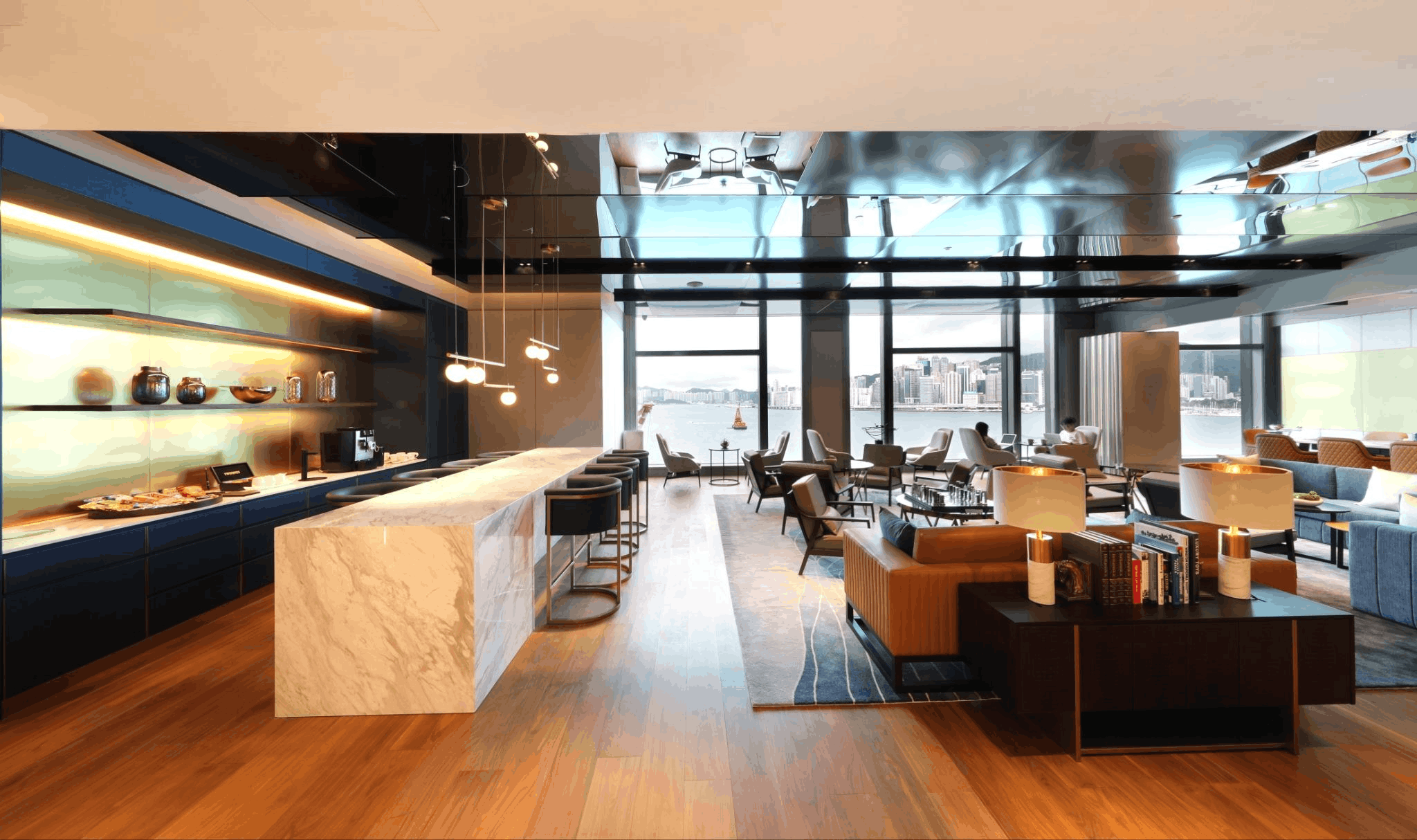
The Office Energy: Using Ancient Design Secrets to Create a Positive Vibe
CEO SUITE has spent over 28 years creating premium work environments across Asia, understanding that a workspace is more than just a place to work. The way an office is designed can influence focus, collaboration, and overall business performance.
Long before modern workplaces, ancient design philosophies emphasized balance, flow, and harmony within spaces. Today, these same principles are quietly shaping the most effective offices.
What Is Office Energy?
Office energy refers to the atmosphere created by a workspace and how it affects the people within it.
It is influenced by:
- layout and movement
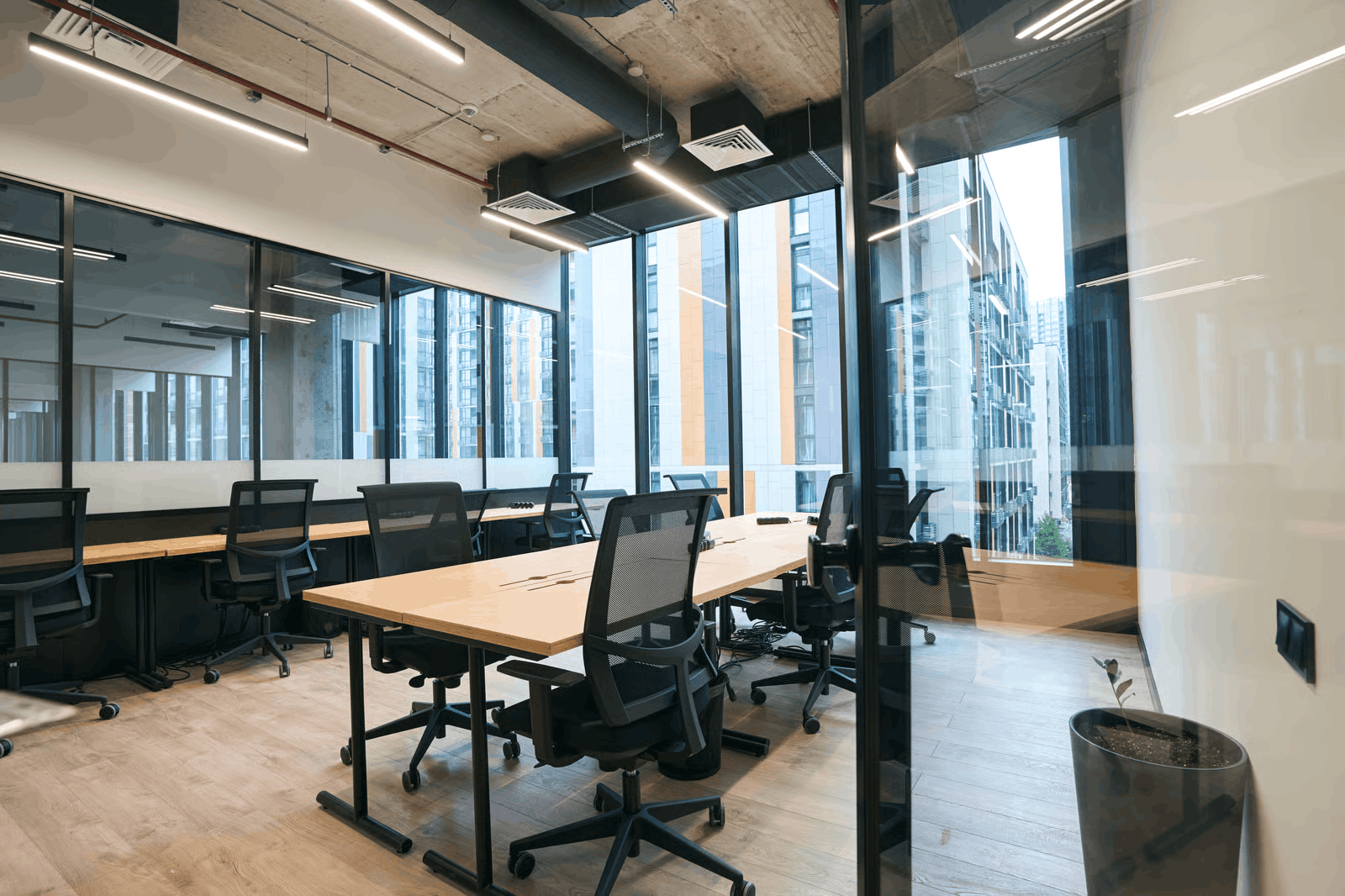
- lighting and openness
- materials and textures
- noise and privacy
A well-balanced office promotes clarity, focus, and productivity, while a poorly designed one can create stress and distraction.
The Importance of Layout and Flow
Ancient design principles often focused on how energy moves through a space. In modern terms, this translates to layout and flow.
An office that feels open and easy to navigate helps:
- reduce stress
- improve efficiency
- encourage natural collaboration
This is why many businesses choose a premium office space that is already designed with these principles in mind, ensuring a smooth and productive working environment.
Light, Space, and Balance
Natural light plays a significant role in creating a positive workspace.
Benefits include:
- improved mood
- increased energy levels
- better concentration
Balanced spaces that avoid overcrowding also help employees feel more comfortable and focused throughout the day.
Creating Calm in a Busy Work Environment
Modern workplaces can be fast-paced and demanding. However, the environment itself should support clarity rather than add to the pressure.
Well-designed offices:
- minimize distractions
- create quiet zones for focus
- maintain a sense of order
Many companies rely on a serviced office because it offers a professionally curated environment where these elements are already optimized.
Designing for Collaboration and Creativity
Office energy is not only about individual productivity—it also affects how teams interact.
Spaces designed for collaboration:
- encourage idea-sharing
- improve communication
- foster innovation
When the environment supports interaction, teams naturally become more effective.
Adapting to Modern Workstyles
Today’s businesses require flexibility. Hybrid work, global teams, and changing demands mean that office environments must adapt quickly.
A flexible workspace allows businesses to maintain a consistent, high-quality environment while adjusting to their evolving needs.
Poor Office Design vs Optimized Workspace
| Feature | Poorly Designed Office | Optimized Workspace |
|---|---|---|
| Layout | Cluttered | Open and structured |
| Lighting | Artificial | Natural and balanced |
| Productivity | Inconsistent | Improved focus |
| Collaboration | Limited | Encouraged |
| Employee comfort | Low | High |
Traditional Office vs Flexible Workspace
| Feature | Traditional Office | Flexible Workspace |
|---|---|---|
| Design flexibility | Fixed | Adaptable |
| Setup time | Long | Immediate |
| Environment quality | Varies | Consistent |
| Employee experience | Basic | Enhanced |
| Energy and flow | Often ignored | Intentionally designed |
Frequently Asked Questions
What is office energy?
How does office design affect productivity?
Why is natural light important in offices?
Can office layout improve teamwork?
What is the benefit of a professionally designed office?
Apr 13, 2026