

 Bahasa
 日本語
日本語
 한국어
한국어
 ไทย
ไทย
 tiếng Việt
 中文
中文
The Power of Design: How a Beautiful Office Changes the Way You Work
Workspace design is often viewed as an aesthetic decision. In reality, it is a strategic one. The environment in which people work influences concentration, morale, collaboration, and even the perception of a brand. A thoughtfully designed office does more than look impressive—it shapes behaviour, reinforces culture, and supports performance.
A beautiful office is not about decoration. It is about intention.
Environment Shapes Performance
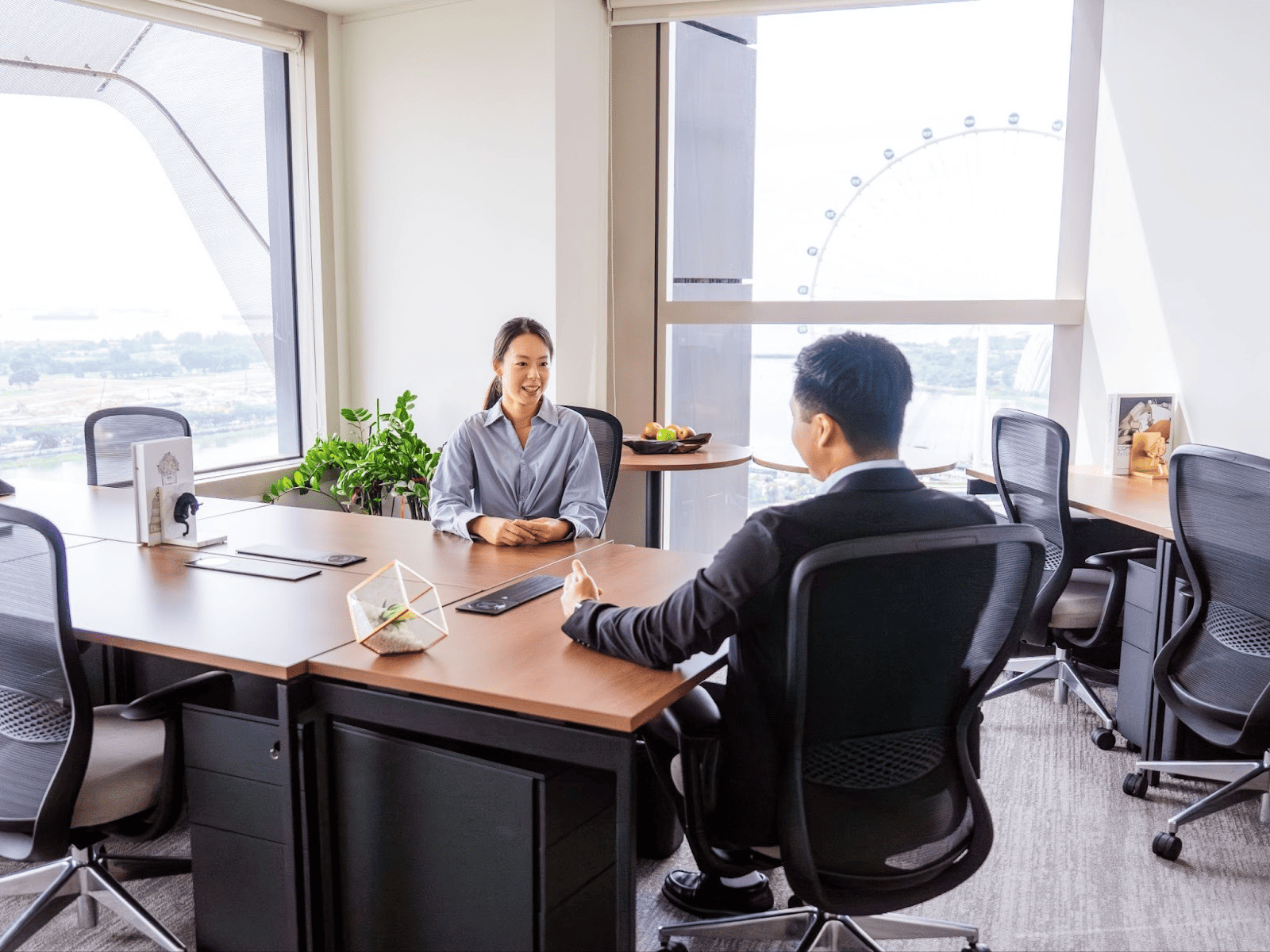
Natural light, balanced layouts, and considered materials contribute to clarity and focus. When employees work in a well-designed fully furnished office, distractions are reduced and workflow becomes more efficient. Furniture placement, acoustics, and lighting all work together to support sustained productivity.
An organised, aesthetically refined environment signals order and professionalism, helping individuals approach their work with greater discipline and purpose.
Design Influences Mindset
A workspace communicates expectations. When teams operate within a refined corporate office rental, the atmosphere naturally encourages professionalism and accountability. Design elements such as executive meeting rooms, reception areas, and private offices create a sense of structure that supports focus and decision-making.
By contrast, cluttered or improvised spaces can subtly undermine motivation and concentration. Design sets the tone long before a meeting begins or a task is started.
Client Perception and Brand Identity
Your office is an extension of your brand. When clients visit a carefully curated premium workspace solutions environment, they immediately form impressions about your standards and credibility. Design communicates stability, attention to detail, and long-term commitment.
This visual consistency strengthens trust and reinforces your market positioning. A well-designed space does not simply host meetings—it enhances them.
Supporting Collaboration with Intention
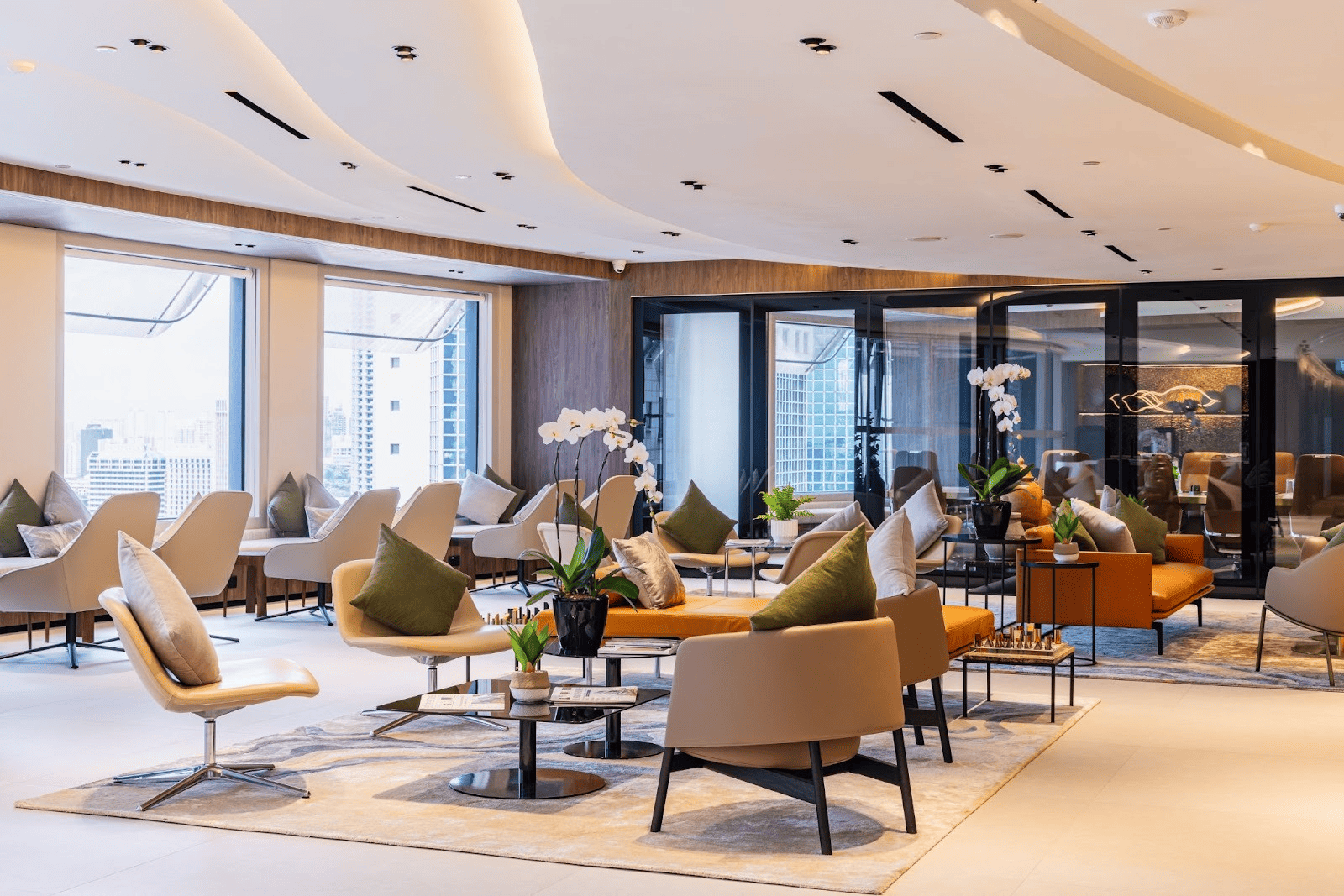
Beautiful offices are not only about private workspaces. Communal areas designed with intention encourage meaningful interaction without sacrificing professionalism. For teams operating within a shared office space environment, thoughtful design ensures collaboration remains productive rather than distracting.
Defined zones for focused work, meetings, and informal discussion create balance. The result is an atmosphere that supports both independence and teamwork.
A Long-Term Investment in Performance
Design is not an indulgence; it is infrastructure. A carefully considered office environment supports employee wellbeing, improves productivity, and elevates brand perception. Over time, these advantages compound.
When workspace design aligns with business objectives, it becomes a strategic asset—one that shapes how teams think, work, and grow.
Comparison: Café vs. Designed Private Office
To understand the practical impact of design, consider the differences below:
| Factor | Noisy Café Environment | Beautifully Designed Office |
| Noise Levels | Unpredictable and distracting | Controlled acoustics for focus |
| Privacy | Limited or non-existent | Dedicated private rooms |
| Professional Image | Informal, inconsistent | Refined and credible |
| Meeting Experience | Restricted, often uncomfortable | Purpose-built meeting spaces |
| Productivity | Interrupted by environment | Structured for sustained work |
| Brand Perception | Casual or temporary | Stable and established |
Frequently Asked Questions
How does office design affect productivity?
Does office design impact client perception?
Why is design important in shared environments?
Is investing in premium workspace solutions worthwhile?
Feb 25, 2026