














Legal Help: Making Sense of Complicated Rules in Foreign Markets

May 07, 2026
Legal Help: Making Sense of Complicated Rules in Foreign Markets

Expanding into a new country presents exciting opportunities, but it also introduces legal and regulatory challenges that can quickly become overwhelming. Every market operates differently, with its own requirements for company registration, taxation, employment, and compliance.

CEO SUITE has spent decades helping businesses navigate these complexities across Asia, making market entry smoother and more manageable.


Why Foreign Market Regulations Are Challenging

Businesses entering unfamiliar markets often encounter:

  • different legal systems
  • changing compliance requirements
  • language barriers
  • unfamiliar administrative processes

Without proper guidance, these challenges can delay expansion and increase operational risk.


The Importance of Local Expertise

Understanding local regulations requires more than online research. Businesses need support from professionals who understand how systems operate in practice.

Many companies rely on a company registration service to simplify setup processes and ensure compliance from the beginning.

This reduces:

  • administrative delays
  • compliance risks
  • operational confusion


Establishing a Professional Presence Quickly

Beyond legal setup, businesses also need a credible operational base when entering a new market.

Using a virtual office allows companies to establish a professional address while managing expansion costs efficiently during the early stages of market testing.


Compliance Beyond Registration

Market entry does not end after registration. Businesses must also understand:

  • tax obligations
  • employment regulations
  • reporting requirements
  • operational permits

These responsibilities vary significantly between jurisdictions and require ongoing management.


Supporting Regional Expansion

Companies expanding across multiple countries often need flexible operational solutions that can adapt as they grow.

A flexible office space allows businesses to establish operations quickly while maintaining the flexibility needed in fast-changing markets


Expanding Without Support vs With Professional Guidance

Feature Without Support With Professional Guidance
Setup speed Slow Faster
Compliance risk High Reduced
Administrative burden Heavy Managed
Market understanding Limited Strong
Expansion confidence Lower Higher


Traditional Expansion vs Flexible Market Entry

Feature Traditional Setup Flexible Expansion
Upfront investment High Lower
Commitment level Long-term Flexible
Operational setup Complex Streamlined
Scalability Limited Adaptable
Risk exposure Higher More controlled


Frequently Asked Questions

Why is legal support important when entering foreign markets?
Legal support helps businesses comply with local regulations, reduce risk, and avoid delays during expansion.
What challenges do businesses face in foreign markets?
Common challenges include company registration, tax compliance, employment laws, and administrative procedures.
Can businesses expand without opening a physical office immediately?
Yes. Many companies begin with virtual office solutions while testing a new market.
How does local expertise help international businesses?
Local expertise provides practical guidance on regulations, compliance, and operational requirements.
What is the benefit of flexible expansion strategies?
Flexible solutions reduce upfront costs and allow businesses to adapt more easily to changing market conditions.

Testing New Markets: How to Set Up a Base in a New City in Just 24 Hours

Apr 21, 2026
Testing New Markets: How to Set Up a Base in a New City in Just 24 Hours

Expanding into a new city used to mean long leases, complex paperwork, and weeks of preparation. Today, businesses operate in a much faster environment where speed and flexibility are critical.

CEO SUITE has helped companies across Asia reduce this setup time dramatically—making it possible to establish a professional presence in as little as 24 hours.


Why Speed Matters in Market Expansion

Entering a new market quickly gives businesses a competitive advantage. Whether testing demand, meeting clients, or exploring partnerships, being physically present can make a significant difference.

Delays in setup can result in:

  • missed opportunities
  • slower decision-making
  • reduced market impact

Having a ready-to-use workspace allows businesses to act immediately.


Step 1: Secure a Professional Workspace

The fastest way to establish a presence is by using a fully equipped workspace that is ready from day one.

A serviced office provides everything needed to start operating immediately, including furniture, internet, and administrative support.

This eliminates the need for:

  • office renovations
  • IT setup
  • vendor coordination


Step 2: Establish a Business Address

A professional address is essential when entering a new market. It builds credibility and allows companies to operate without delay.

Many businesses begin with a virtual office, which provides a recognized business address along with mail handling services.

This is especially useful for:

  • initial market testing
  • remote operations
  • regulatory requirements


Step 3: Access Flexible Work Options

Not every expansion requires a full office immediately. Flexible solutions allow businesses to scale based on actual demand.

A flexible workspace enables teams to adjust their setup as needed, whether that means a single desk, a private office, or a larger space.


Step 4: Set Up Meetings and Local Operations

Meeting clients and partners is often one of the first priorities when entering a new market.

Using a meeting room rental ensures access to professional spaces for presentations, discussions, and negotiations without long-term commitments.


Step 5: Handle Business Setup and Compliance

Beyond workspace, companies need to manage administrative and regulatory requirements.

Support services such as a company registration service help businesses navigate local regulations, allowing them to operate smoothly from the start.


From Weeks to Hours: A New Way to Expand

Traditional expansion models required significant time and capital investment. Today, businesses can establish operations quickly and efficiently by leveraging flexible solutions.

This shift allows companies to:

  • test markets with lower risk
  • scale based on real demand
  • reduce upfront costs


Traditional Setup vs 24-Hour Setup

Feature Traditional Office Setup Fast Internet
Setup time Weeks to months Within 24 hours
Upfront cost High Low
Flexibility Limited High
Operational readiness Delayed Immediate
Risk level High Reduced


Market Testing vs Full Expansion

Approach Market Testing Full Expansion
Investment Lower Higher
Commitment Short-term Long-term
Speed Fast Slower
Risk Controlled Higher
Flexibility High Limited


Frequently Asked Questions

Can a business really set up in a new city in 24 hours?
Yes. With flexible workspace solutions and business support services, companies can establish a functional presence within a single day.
What is the fastest way to enter a new market?
Using ready-to-use office solutions such as serviced offices or virtual offices allows businesses to operate immediately without delays.
Do I need a physical office to start in a new city?
Not always. A virtual office can provide a professional address while you test the market before committing to a physical space.
How do businesses manage compliance in new markets?
Many companies use professional services that assist with company registration, legal requirements, and administrative setup.
Is this approach suitable for startups?
Yes. Startups benefit greatly from flexible solutions that allow them to scale without heavy upfront investment.

A Multicultural Team: How Our Diverse Staff Helps You Avoid Mistakes

Mar 27, 2026
A Multicultural Team: How Our Diverse Staff Helps You Avoid Mistakes

Expanding into new markets requires more than just a strong business model—it requires cultural understanding, local expertise, and adaptability.

Without this, companies often face costly mistakes that impact operations and growth.

With a presence across major business hubs in Asia, CEO SUITE is known for its multicultural team of professionals who understand the complexities of operating across different markets. By combining local expertise with global experience, CEO SUITE supports businesses in navigating cultural, regulatory, and operational challenges as they expand internationally.


Why Cultural Understanding Matters in Business

Every market operates differently. Cultural differences influence communication, negotiation, and decision-making.

Misunderstanding these differences can lead to:

  • miscommunication
  • lost opportunities
  • weak partnerships

A multicultural team helps bridge these gaps effectively.


Local Expertise with Global Perspective

A diverse workforce combines local knowledge with international experience, helping businesses operate more efficiently across markets.

This advantage is strengthened when supported by a flexible office space that enables collaboration across teams and regions.


Avoiding Costly Business Mistakes

Companies entering new markets often face challenges such as:

  • regulatory misunderstandings
  • incorrect documentation
  • communication barriers

A multicultural team helps prevent these issues by providing localized insights and experience.


Supporting International Expansion

As businesses expand, managing people, compliance, and operations becomes more complex. Many organizations rely on HR outsourcing to manage these functions efficiently across different regions.


Building Stronger Business Relationships

Understanding cultural expectations helps businesses build trust and long-term relationships.

A multicultural team enables companies to:

  • communicate effectively
  • adapt to local norms
  • strengthen partnerships


Single-Culture vs Multicultural Team

Feature

Single-Culture Team Multicultural Team

Market knowledge

Limited

Diverse

Communication

Risk of gaps

Clear

Adaptability

Slower

Faster

Expansion Challenging

Efficient

Cultural awareness Low

High


Expansion Without vs With Local Expertise

Area Without Support

With Multicultural Team

Market entry

Risky Strategic

Compliance

Complex

Managed

Communication

Ineffective

Localized

Growth speed Slow

Faster


Frequently Asked Questions

Why is a multicultural team important?
A multicultural team provides local insights, improves communication, and helps businesses operate effectively in different markets.
How does diversity reduce business risks?
It helps prevent misunderstandings, ensures compliance, and improves decision-making in unfamiliar environments.
Can multicultural teams support global expansion?
Yes. They provide the knowledge and experience needed to enter new markets successfully.
How does diversity improve performance?
Diverse perspectives lead to better problem-solving, innovation, and adaptability.
What businesses benefit most from multicultural teams?
Any company expanding internationally or working across multiple regions benefits significantly from diverse teams.

Expanding Overseas: Why You Need a Local Partner When Moving to a New Country

Feb 09, 2026
Expanding Overseas: Why You Need a Local Partner When Moving to a New Country

Expanding into a new country is a defining step for any organisation. It reflects ambition, long-term planning, and confidence in future growth. However, Global Business Expansion involves far more than securing a presence in a new market. Regulatory complexity, cultural differences, and operational unfamiliarity can quickly create barriers if they are not managed carefully.

This is why engaging a Local Business Partner is a strategic advantage rather than a convenience.

Managing Regulatory and Administrative Complexity

Every jurisdiction has its own legal, tax, and employment frameworks. Company incorporation, statutory reporting, and compliance obligations vary widely and often change without notice. A trusted local partner understands these requirements and ensures that essential processes are handled correctly from the outset.

This support reduces risk and allows leadership teams to focus on strategic priorities rather than navigating unfamiliar administrative systems.

Cultural Insight and Market Understanding

Successful expansion depends not only on regulatory compliance, but also on cultural alignment. Business customs, communication styles, and expectations differ across regions, particularly in Asia-Pacific markets. A local partner provides insight into these nuances, helping businesses engage more effectively with clients, suppliers, and stakeholders.

This local understanding builds credibility and trust—both critical when establishing long-term operations in a new country.

Establishing a Professional Local Presence

Credibility matters when entering a new market. A professionally managed serviced office allows businesses to operate from a fully supported workspace without the commitment of a traditional lease. It provides immediate functionality while maintaining flexibility as the business grows.

For companies exploring a market or operating with distributed teams, a virtual office offers a compliant business address and essential administrative support. This approach enables a local footprint while keeping overheads controlled.

Supporting Sustainable Growth

International expansion is rarely linear. Market conditions evolve, teams scale, and operational needs change over time. A local partner provides adaptable infrastructure and on-the-ground support that evolves alongside the business. This flexibility is essential for managing uncertainty while maintaining momentum.

A Strategic Foundation for Long-Term Success

Moving into a new country is not simply an operational decision—it is a strategic one. The right local partner provides stability, insight, and professional infrastructure that supports confident decision-making and long-term growth.

When global ambition is paired with local expertise, businesses are better positioned to operate efficiently, protect their reputation, and succeed in competitive international markets.


Frequently Asked Questions

Why is a local partner important when expanding into a new country?
A local partner provides essential insight into regulatory requirements, business practices, and cultural expectations. This reduces operational risk and allows companies to enter new markets with greater confidence and efficiency.
How does a local partner support Global Business Expansion?
During Global Business Expansion a local partner helps businesses navigate compliance, establish operations faster, and adapt to changing market conditions. Their on-the-ground knowledge supports informed decision-making and long-term sustainability.
What role does office infrastructure play in overseas expansion?
Professional infrastructure helps establish credibility in a new market. Solutions such as a serviced office allow businesses to operate immediately with minimal setup, while maintaining flexibility as operations scale.
Can a virtual office support market entry without a physical presence?
Yes. A virtual office provides a compliant business address and administrative support, making it suitable for companies testing a market or operating with remote teams before committing to a physical workspace.

Should You Lease or Buy Office Space?

Dec 18, 2025
Should You Lease or Buy Office Space?

Every square foot of office space you occupy should serve a bigger business goal.

Maybe your team could have outgrown remote work, client meetings are starting to require a more professional setting, or you’re expanding into a new market and need a physical base to operate from. Whatever the reason, having an office should secure the efficiency of work operations and productivity of the team.

Now the question is: Should you lease or buy?


The Basics Between Lease and Buy

As your business grows, so do your needs. Deciding whether to lease or buy an office space is a strategic business decision. Beyond your core operations, it affects your financial health, flexibility, and company culture.


Leasing is renting a space from a landlord for a set period. Although it’s less upfront cash, there’s a limitation on what you can change.

Here are its benefits and disadvantages:

Benefits of Leasing Disadvantages of Leasing
  • Lower upfront cash
  • Flexibility to relocate, expand, or downsize
  • Landlords handle maintenance and repairs
  • Fixed rent
  • Faster setup
  • No equity
  • No guarantee you can stay long-term
  • Customizations require landlord’s approval
  • Potential rent increases
  • Lease restrictions


Buying on the other hand, means you own the building. You have full control over the space and can customize it to fit your brand and culture. Plus, you build equity over time.

Here are its benefits and disadvantages:

Benefits of Buying Disadvantages of Buying
  • Build equity
  • Full control for customizations
  • Long-term stability
  • Tax benefits
  • Appreciation potential
  • High upfront cost
  • Less flexibility to move
  • Maintenance responsibilities
  • Tied-up capital
  • Market risks


Office Space

Important Factors to Consider

Before you decide, let’s discuss each of the most important factors to consider.

1. Cost

Leasing is usually lower in initial costs, typically a security deposit and first month’s rent. It’s great if you need to preserve capital for hiring, inventory, marketing, or other growth-related spending.

In contrast, buying requires a larger investment: a down payment, closing costs, and renovation expenses. Ownership can become more cost-effective over time, especially if property values rise or you stay put long enough to offset the initial cost.

2. Flexibility

Are you scaling your business? Testing new markets? Figuring out the team size? If so, you can scale up, down, or move as needed through leasing.

If you’re confident in your long-term location and space needs, ownership locks in stability. But if your plans shift, selling or renting out your property adds complexity.

3. Control

Leasing means working within someone else’s rules. You might be limited in how much you can brand or build out of your space. If you need to knock down a wall or reconfigure the layout, you probably need landlord approval and pay for it.

Buying gives you complete control. You can design the space around your branding as you set the ambiance for a client-friendly environment. Of course, with that control comes responsibility: maintenance, upgrades, and any surprises (like a leaking roof) are on you.

4. Company Culture

Your workspace has a direct impact on how your team works and how your clients perceive your business. A fully-branded office can boost morale and a sense of pride in the workplace. Meanwhile, leasing limits how much you can accommodate team preferences.


Office Space

The Best of Both Worlds

What if you don’t want to choose either of the two?

Maybe you’re opening in a new city, and are not quite ready to buy, so locking into a long-term lease feels too rigid for where your business is right now. That’s where CEO SUITE steps in.

We offer fully serviced offices, meeting rooms, co-working setups, and even enterprise-ready spaces so you’ll have what you need when you need it. It’s the smarter middle ground between leasing and buying an office space. You’ll get:

  • A well-known business address
  • Flexible terms
  • Ready-to-use offices
  • State-of-the-art technology
  • On-site support

No long leases. No massive upfront costs. Only a professional setup that lets you focus on your business, not on the building you reside in.


Conclusion

There’s no perfect answer that fits every company.

Leasing and buying both have their place. To know which fits best for your business, determine the stability of your company, your long-term plans, and how much flexibility you need.

But if you want an office solution that doesn’t box you in, but rather make you look and operate like the real deal, CEO SUITE can give you exactly that. Check out our services to learn more here.


CEO SUITE Launches New Hangzhou Flexible Workspace

Dec 10, 2025
CEO SUITE Launches New Hangzhou Flexible Workspace

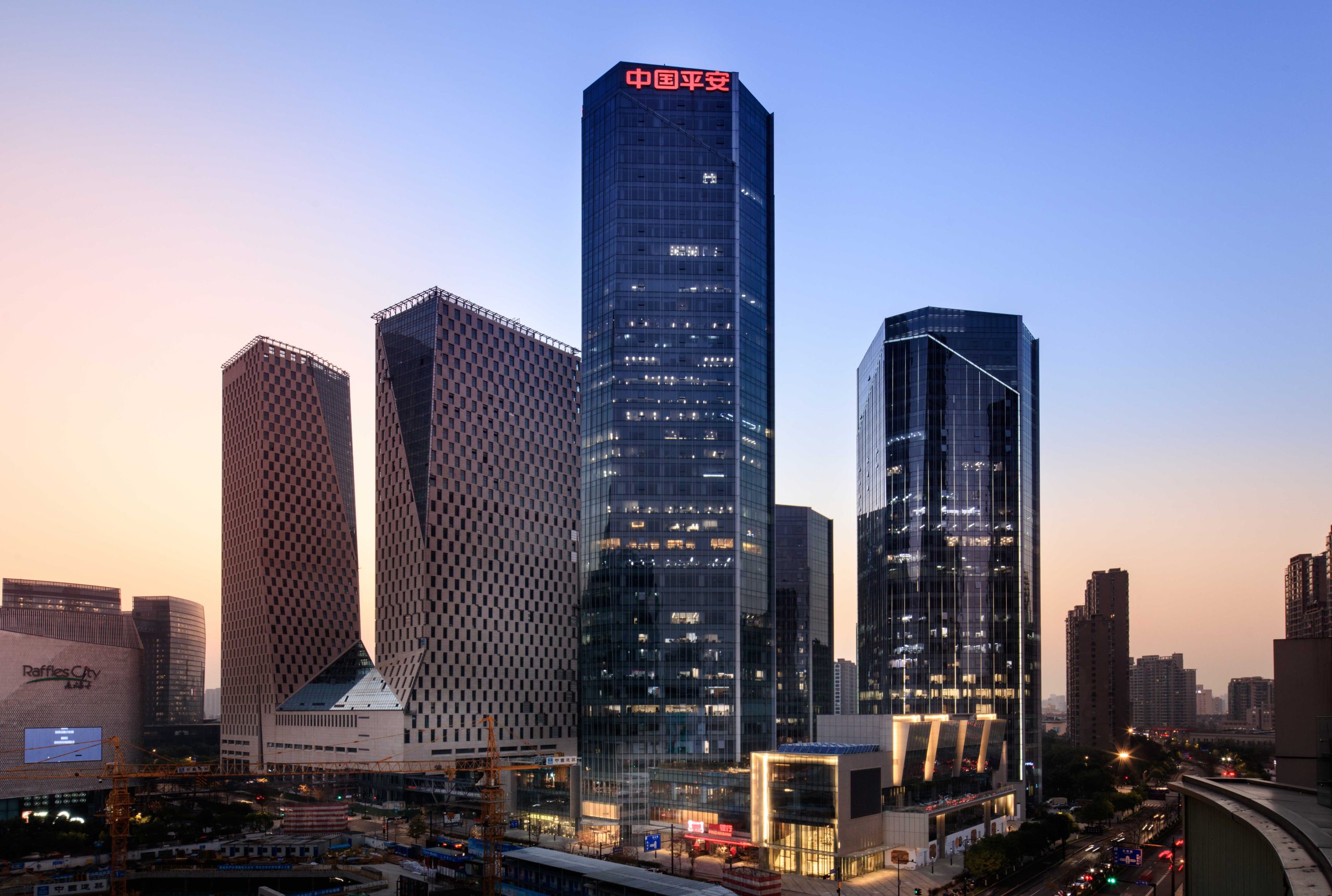
HANGZHOU, CHINA– CEO SUITE, Asia Pacific’s leading provider of premium flexible workspaces, today announced the opening of its new flagship centre in Hangzhou. Located in the prestigious Ping An Finance Center, this expansive workspace spans over 6,000 square meters across three floors and represents a major investment in one of China’s most dynamic technology and business cities. The centre will open this month in November.


What This Means for Hangzhou Businesses

The new  centre at 7–9F, Building B, Ping An Finance Center, 159 Jiangjin Road, Shangcheng District, brings world class workspace solutions to Hangzhou’s business community. Companies of any size can now access premium office space without the complexity and cost of traditional leases. Whether you need an office for one person or a hundred, CEO SUITE provides the flexibility to scale your workspace as your business grows.

The centre offers comprehensive facilities designed to support every aspect of business operations:

•  Fully furnished private offices accommodating 1 to 200 persons
•  Meeting rooms in various sizes equipped with advanced technology
•  Professional event halls for conferences and corporate functions
•  Karaoke room for team building and client entertainment
•  Bar and lounge areas for networking and informal meetings
•  Game room for creative breaks and team collaboration
•  Zen room for focused work and meditation
•  24/7 access with professional security
•  One stop business services including reception, mail handling, and administrative support

CEO SUITE Hangzhou


The CEO SUITE Difference

Our reputation has been built entirely through exceptional service, hospitality and unwavering transparency. Every member of our team has a minimum of 10 years of experience in the industry, and our centres are managed by professionals who have dedicated their careers to workspace excellence. Our client roster includes Fortune 100 companies who choose to stay with us year after year. They stay because we take our work seriously. More importantly, we take our clients seriously. We take our clients into our hearts.

“Hangzhou represents the future of business and innovation in China, and we are bringing our 28 years of experience to serve this community,” said Paul MacAndrew, CEO of CEO SUITE. “Businesses in Hangzhou can now access the same level of service and quality that has made CEO SUITE the choice of leading companies across Asia Pacific. This is not just about office space. This is about providing businesses with a partner who understands their needs and is committed to their success.”


Mee Kim, Founder of CEO SUITE, added, “For over 28 years, we have built our reputation one client at a time. We do not rely on marketing. We rely on delivering exceptional service that makes our clients want to tell others about us. Our new Hangzhou centre brings this same commitment. Every detail, every service, every interaction is designed with one goal: helping our clients succeed. When our clients succeed, we succeed.”

CEO SUITE Hangzhou


Why Hangzhou, Why Now

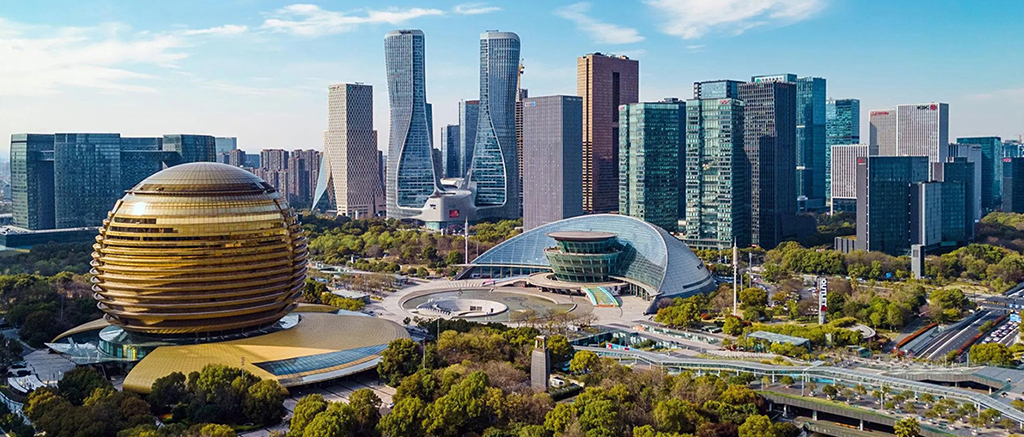
Hangzhou has emerged as one of China’s most important business centers, known globally as a hub for technology, innovation, and entrepreneurship. The city is home to major technology companies and attracts international businesses seeking to expand in China. For companies looking to establish or grow their presence in Hangzhou, CEO SUITE offers an immediate solution with none of the risks and commitments of traditional office leases.

The Ping An Finance Center location in Shangcheng District places businesses at the heart of Hangzhou’s financial and business district, with excellent connectivity to transportation networks, including proximity to Hangzhou East Railway Station and direct access to major highways connecting to Shanghai and other key cities.

About CEO SUITE

Since 1997, CEO SUITE has been Asia’s trusted name in premium flexible workspaces. The company operates 21 prime locations across 11 major cities, including Singapore, HongKong, Beijing, Shanghai, Jakarta, Kuala Lumpur, Bangkok, Manila, Hanoi, Ho Chi Minh City, and Seoul. With industry leading professionals averaging over 10 years of experience and a client base that includes Fortune 100 companies, CEO SUITE has built its reputation through word of mouth and unwavering commitment to client success. For 28 years, the company has supported businesses of all sizes with high quality space, comprehensive services, and a level of care that turns clients into long term partners.

Reasons Why International Firms Should Enter China

Mar 05, 2019
Reasons Why International Firms Should Enter China

As the second largest economy in the world with a population of more than one billion, China is too big and too attractive for both Western and Chinese investors to overlook. China’s economy has grown significantly in the last two decades and it is now a global leader. With a share of global Gross Domestic Product (GDP) just behind the United States, the country has an important role in world trade. To sustain its fast-growing economy, it has shifted its priorities to focus on growth, transitioning from manufacturing to services and from labor-oriented jobs to technology-oriented ones. In addition, the Belt and Road Initiative (BRI), a plan to improve transportation connections between China and its neighbors, will likely contribute to advancing the global economy. Most importantly, government decisions and regulations, such as financial tightening and supply policies, have validated China’s commitment to growth and desire to remain an essential and productive participant in the world economy.


These factors make China extremely favorable for prospective investors. CEO Suite, Asia’s only one-stop service office provider run by multi-cultural industry experts, has identified some important reasons why prospective investors should consider investing in China.

Availability of capital

In early 2000, almost 20 years ago, China surpassed the United States as the world’s largest beneficiary of foreign capital. Certain conditions in the global capital markets along with a booming economy have led to large amounts of investable capital for China, which are important prerequisites for determining the flow of foreign investment in the country. This influx of capital is attractive to foreign investors and is enticing to international businesses that want to invest in emerging and profitable markets.


Political and economic stability

Political and economic stability in China means consistency and predictableness for investors, which allows for better insight into the future. Since instability could lead to inflation and problems like social unrest that are not conducive to business, both local and foreign businesses appreciate and value China’s environment for law and order. This backdrop not only encourages investments in China, but promotes more efficiency in trade activities as well as long-term growth.


Regional and international trade

Of great importance to foreign investors is the ability to sell products and services regionally and internationally. Besides China’s free-trade zones, other advantages for investors include tax exemptions and free conversion of Chinese currency to any international currency. M, export policies play a key role in deciding whether to enter China, especially for investors anticipating a large market share outside of the local market. China’s regional and international free trade agreements are alluring for stimulating economic activity and business growth.


Large local market

The most attractive feature for investing in China is the sheer size of the country’s large population and, therefore, the great possibilities for growth. As it continues to evolve and mature, investors can expand and profit in many high-end industries, including information technology, engineering, healthcare, robotics, and luxury goods. Opportunities for foreign investors in prospective and current commercial activity will provide positive effects on sustaining business.


Infrastructure and workforce

China’s infrastructure and availability of resources and labor contributes to its appeal for investors. A developing economy requires these to facilitate the sale of goods and services. Roads, bridges, and other physical structures allow for transportation of goods. An educated and competent workforce contributes to success, as well. China’s labor market continues to obtain educations from universities and to become more knowledgeable. These elements enable investors to spend less and make more. And, with employment opportunities comes more income for spending. China’s retail sector persists as foreign investors across all industries open retail locations to benefit from this spending.


There is great opportunity for Western and Chinese investors in China this year as the country continues to create a promising environment for business. Once you decide to invest in China, CEO SUITE can help you maximize your investment. Asia’s one-stop service firm customizes solutions to help businesses of all sizes easily enter China and expand throughout the country with few issues.


Please contact us to discuss expanding your business in China.

CEO SUITE Shanghai World Financial Center Successfully Hosts “WanderWomen Society, Episode I” for Career Women in Shanghai

Sep 28, 2016

CEO SUITE successfully hosted a special event for the empowerment of career women in Shanghai, China entitled, “Wanderwomen Society – Episode I,” last September 21, 2016 at the prestigious CEO SUITE Shanghai World Financial Center in Pudong, Shanghai. The event was organized in partnership with TOLMAO and Digital Bootcamp Asia.

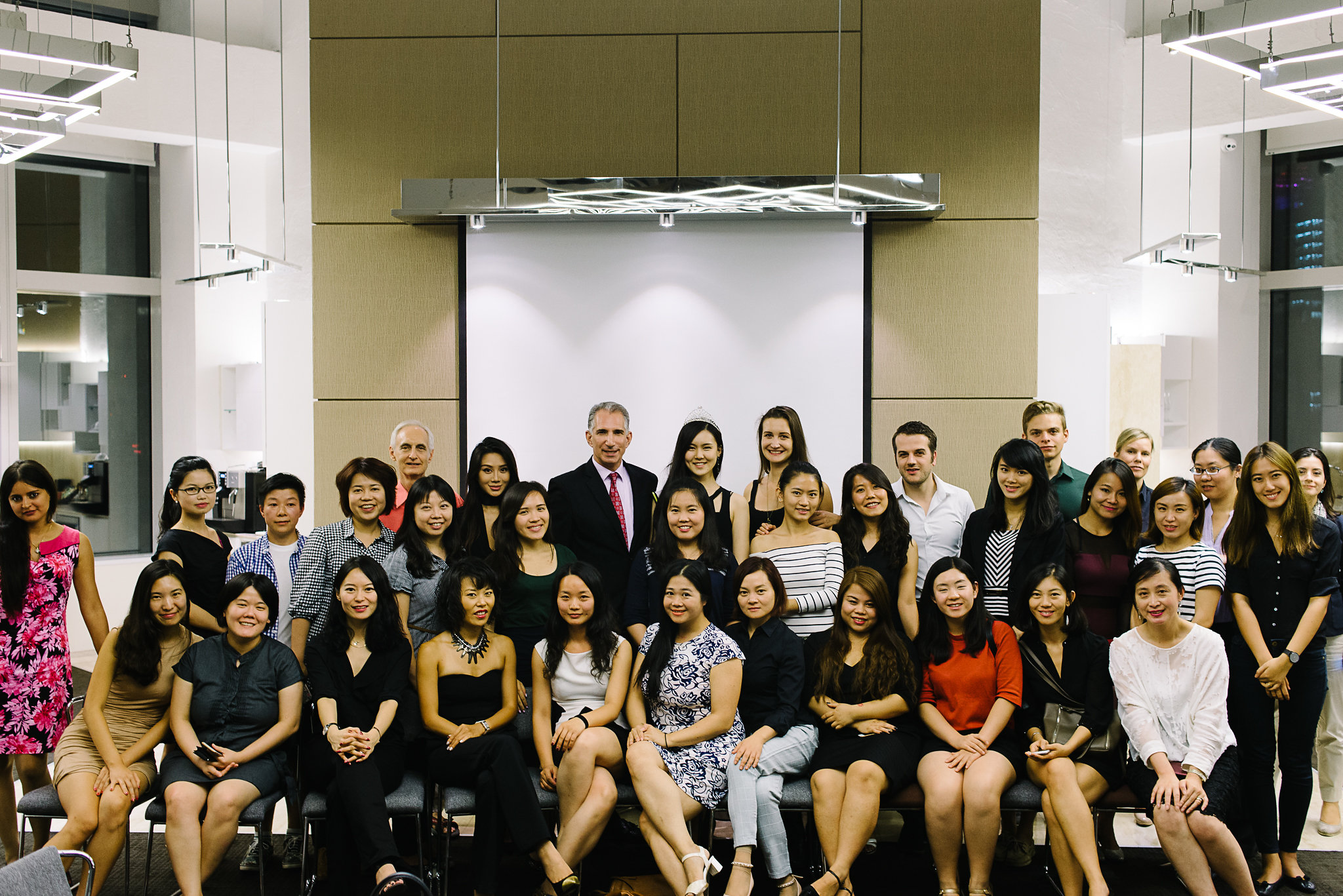
The main speakers during the event included VIPs like Ms. Veronica Feng, Marketing Director for Asia Pacific at Air Liquide; Ms. 朱恬乐 Clover, Miss Earth China; and Mr. Michael Rosenthal, Miss Earth China National Director and President of US Green Solutions. (L-R: shown in below photo)

The event was attended by top lady executives in Shanghai like Jie Gao, Founder of Vivajie Creative; Emmy Teo, CEO of Fashory; Stephany Zoo, China Marketing Lead at SAP Anywhere; Stella, Owner/Partner at Salotto G Restaurant and CEO at L.I.T. Fashion Company; and Jina Shin, International Business Developer at Tolmao Group.

The event, that became a forum for top women executives to discuss present challenges faced and opportunities, was held at the luxurious business center of CEO SUITE located at the 28th floor of the Shanghai World Financial Center (SWFC), a premiere business landmark in Pudong, Shanghai. Towering to 101 storeys, SWFC was designed with a specific vision in mind – for it to be a city-within-a-city. The tower has spectacular observation decks, five-star hotel and spa, media center and shopping malls.

CEO SUITE has two other premium business centers in Shanghai that include the Bank of Shanghai in Pudong and Hong Kong New World Tower in Puxi, Shanghai; plus, one in Beijing at the iconic LG Twin Towers.

To know more about CEO SUITE’s prestigious business centers in Shanghai, China, please visit: http://www.ceosuite.com/serviced-offices/shanghai/.

Are you a foreigner or with a foreign-registered company planning to put up a business in the Philippines?

Sep 21, 2016
Are you a foreigner or with a foreign-registered company planning to put up a business in the Philippines?

Here are some smart tips on foreign ownership/equity restrictions to get you started:

The Philippines has been traditionally known to restrict foreign ownership of companies to 40% of total equity only, with 60% equity reserved for citizens. The government, however, has initiated actions in the past to relax this rule in order to attract foreign investments to help grow the country’s economy.

This guide is intended to help prospective foreign investors and/or their local partners or agents to determine how much foreign equity is allowed in their line of business.

1. First thing to check: Foreign investment negative lists

The first law liberalizing foreign investments (Foreign investment act of 1991) resulted in the creation of a foreign investment negative list (FINL) that seeks to define restrictions on foreigner’s and foreign companies’ economic activities in the country.

The FINL is regularly updated and is now on its tenth revision to reflect new laws. The list is divided into two as follows:

[accordions_dd expanded=’0′]
[accordion_dd title=’Negative List A’]

Limits On Foreign Ownership As Mandated By Constitution And Other Laws

No Foreign Equity

  1. Mass Media except recording
  2. Practice of Professions
    • Pharmacy
    • Radiologic and X-Ray technology
    • Criminology
    • Forestry
    • Law
  3. Retail trade enterprises with paid-up capital of less than $2.5 Million
  4. Cooperatives
  5. Private security agencies
  6. Small-scale mining
  7. Utilization of marine resources in archipelagic waters, territorial sea, and exclusive economic zones as well as small-scale utilization of natural resources in rivers, lakes, bays, and lagoons
  8. Ownership, operation and management of cockpits
  9. Manufacture, repair, stockpiling and/or distribution of nuclear weapons
  10. Manufacture, repair, stockpiling and/or distribution of biological, chemical and radiological weapons and anti-personnel mines
  11. Manufacture of firecrackers and other pyrotechnic devices

Up to Twenty Percent (20%) Foreign Equity

  1. Private radio communications network

Up to Twenty Five Percent (25%) Foreign Equity

  1. Private recruitment, whether for local or overseas employment
  2. Contracts for the construction and repair of locally-funded public works
      Infrastructure/development projects in RA 7718:

    • Projects which are foreign funded and required to undergo international competitive bidding
    • Contracts for the construction of defense-related structures

Up to Thirty Percent (30%) Foreign Equity

  1. Advertising

Up to Forty Percent (40%) Foreign Equity

  1. Exploration, development and utilization of natural resources
  2. Ownership of private lands
  3. Operation of public utilities
  4. Educational institutions other than those established by religious groups and mission boards
  5. Culture, production, milling, processing, trading except retailing, of rice and corn and acquiring, by barter, purchase or otherwise, rice and corn and the by-products thereof
  6. Contracts for the supply of materials, goods and commodities to government-owned or controlled corporation, company, agency or municipal corporations
  7. Facility operator of an infrastructure or a development facility requiring public utility franchise
  8. Operation of deep sea commercial fishing vessels
  9. Adjustment companies
  10. Ownership of condominium units

[/accordion_dd]
[accordion_dd title=’Negative List B’]

Limits On Foreign Ownership For Reasons Of Security, Defense, Risk To
Health And Morals And Protection Of Small-Medium Scale Enterprises

Up to Forty Percent (40%) Foreign Equity

  1. Manufacture, repair, storage, and/or distribution of products and/or ingredients
    requiring Philippine National Police (PNP) clearance:

    • Firearms, parts of firearms and ammunition therefore, instruments or implements used or intended to be used in the manufacture of firearms
    • Gunpowder
    • Dynamite
    • Blasting supplies
    • Ingredients used in making explosives
    • Telescopic sights, sniper scope and other similar devices
  2. Manufacture, repair, storage, and/or distribution of products requiring
    Department of National Defense (DND) clearance:

    • Guns and ammunition for warfare
    • Military ordinance and parts thereof
    • Gunnery, bombing and fire control systems and components
    • Guided missle/missle systems and components
    • Tactical aircraft, parts and components
    • Space vehicles and component systems
    • Combat vessels and auxiliaries
    • Weapons repair and maintenance equipment
    • Military communication equipment
    • Night vision equipment
    • Stimulated coherent radiation devices, components, and accessories
    • Armament training devices
    • Others as may be determined by the Secretary of the DND
  3. Manufacture and distribution of dangerous drugs
  4. Sauna and steam bathhouses, massage clinics and other activities regulated by law because of risks posed to public health and morals
  5. All forms of gambling except those covered by investment agreements with PAGCOR
  6. Domestic market enterprises with paid-in capital of less than the equivalent of USD$200,000
  7. Domestic market enterprises which involve advanced technology or employ at least 50 direct employees with paid-in equity capital of less than the equivalent of US$100,000

[/accordion_dd]

[/accordions_dd]

2. Domestic Corporations and Subsidiaries

Up to 100% foreign ownership is allowed for domestic corporations that:

  • Are not part of the foreign investment negative lists

    *Note that retail businesses (selling directly to consumers) with less than $2.5 Million in paid-up capital is listed under Negative List A.

  • Have at least the peso equivalent of USD $200,000 in paid-in equity capital.
      This amount can be reduced to USD $100,000 if :

    • the enterprise employs 50 employees or
    • if it will be using “advanced technology”—to be determined by the Department of Science and Technology.

3. Retail Trade Enterprise

Retail Trade Enterprise are businesses that sell directly to consumers.

Under the law (RA 8762 – Retail Trade Liberalization Act of 2000) , up to 100% foreign ownership is allowed for retail trade enterprises for two categories of businesses:

  • Category A: Have a paid-up capital of USD 2.5 Million or more
  • Category B:Specializing in high end or luxury products, provided that the paid-up capital per store is not less than USD 250,000.00 (Sec. 5 of R.A. 8762)

Additional qualification requirements for foreign retailers can be found below:

  • Parent company with USD 200M net worth (USD 50M net worth for luxury brands)
  • At least 5 branches or franchises around the world OR at least one store capitalized at a minimum of USD $25M
  • Five year track record in retailing; and
  • Only nationals from, or juridical entities formed or incorporated in Countries which allow the entry of Filipino retailers shall be allowed to engage in retail trade in the Philippines.

Finally, all retail trade enterprises under category A that exceeds 80% foreign equity must list and offer a minimum of 30% equity in any stock market in the Philippines. This should be done within 8 years from the company’s start of operations.

4. Export Businesses

100% foreign ownership is allowed for export businesses, as long as it doesn’t fall under the negative lists. A business is considered as an export business if at least 60% of its output or sales are exported.

Call centers, BPOs, KPOs, back offices and similar businesses can all be considered as export businesses provided they adhere to the output rule.

Export businesses can also claim tax incentives via various laws (EO 226 / Board of Investments, PEZA law, and other economic zone laws)

We wish to remind the reader that this content should serve as a rough guide only and not to be used as proper legal advice. Please get in touch with an attorney to get specific advice for your situation.

How Mobile Technology has Revolutionized Business Travel

Sep 20, 2016
How Mobile Technology has Revolutionized Business Travel

With modern technology, business travel has become even more convenient for everyone. However, it has also become the justification for some companies to cut-back on costs spent on business trips for their employees since most business transactions nowadays can all be done online.

Looking at the brighter side, with the advancement of mobile technology, being out on long business trips abroad is no longer a hindrance to the smooth operations of any business. All our office emails, business reports and client presentations can now be done via our high-tech mobile gadgets that all have high speed internet and data connectivity. Video conferencing anytime is no longer an issue since we all have Skype on Mobile or Facebook Video. Viber calls and phone messenger applications like Facebook Messenger, WhatsApp or Line are readily available for instant communication requirements regardless of geographical location.

Business travel has changed so much throughout the decades, made even more possible with the entry of budget carriers worldwide. Same day return flights often required by business travelers have been accommodated by carriers with the opening of early morning/dawn flights and “red eye” (midnight) flights so that the work day can be maximized efficiently. Even baggage requirements of frequent business travelers have also been taken into account by airlines who now offer fares with hand carry luggage only at discounted rates. Airline frequent flyer programs have improved member benefits including dining offers, car rentals and other travel-related benefits. Online flight and hotel booking mobile phone applications are available for immediate business trip requirements – every change in the trip itinerary can be done with a single click of a button on one’s mobile device. Hotels have also created a new category – business hotels or boutique hotels – have proliferated globally to address this need for basic hotel commodities by business travelers; and loyalty programs have been developed for corporate clients to attend to their regular travel needs who also extend special discounts.

Another interesting development is the proliferation of premium business centers, not just at the airports, but also in the CBD areas where one can catch up on work while relaxing at prestigious business lounges or private office suites with high-speed Internet, free-flowing coffee and tea, as well as document printing/scanning facilities. Meeting rooms for small or big groups are also available for hourly or daily use. In Asia, one of the finest providers of this unique service is CEO SUITE that has 19 premium business centres in the CBD areas of Singapore, Jakarta, Makati, Kuala Lumpur, Bangkok, Hanoi, Seoul, Shanghai and Beijing.

Indeed, everything you need is just there, making it a seamless journey for businessmen who need to travel the globe regularly. As a jetsetter, you know what you need whenever you travel and as long as you have your mobile phone working, plus, all the apps you require to book a flight, a hotel, a car rental, etc., you are all set for the whole calendar year. Just make sure, you also get to insert some leisure time along the way to make the journey less exhausting and more meaningful.